

Social and Emotional Development: Building the Foundation for Lifelong Success
Posted on May 05, 2026
Every parent wants their child to grow up to be confident, caring and capable. While academic skills get a lot of attention, research shows that social and emotional development is equally important for a child’s future success.
From learning to share toys with classmates to understanding their own emotions, young children develop essential life skills before they even start elementary school. These early experiences shape how they communicate, problem solve, build relationships and respond to challenges for life.
At a quality Montessori preschool in Alexandria, VA like Montesshare,parents trust that social and emotional growth is woven into daily learning experiences. Children are encouraged to develop independence, empathy, responsibility and self-confidence as they explore the world around them.
In this guide we’ll look at why social and emotional development matters, how it impacts a child’s development and how a Montessori preschool program helps children build the skills for lifelong success.
What Is Social and Emotional Development?
Social and emotional development refers to a child’s ability to understand emotions, build positive relationships, make responsible decisions, and navigate social situations effectively.
These skills form the foundation for learning, communication, and emotional well being.
Key areas of social and emotional development include:
Self-Awareness
Self-awareness involves recognizing one’s emotions, thoughts, strengths, and challenges.
Young children begin learning to:
- Identify feelings such as happiness, sadness, frustration, and excitement
- Understand how emotions affect behavior
- Build a positive sense of self
Children who develop strong self-awareness often show greater self-confidence and resilience when facing new situations.
Self-Management
Self-management is the ability to control emotions and behavior effectively.
Children learn to:
- Manage disappointment
- Handle frustration
- Follow routines
- Complete tasks independently
- Adapt to change
These skills help children develop responsibility and confidence both in and out of the classroom.
Social Awareness
Social awareness is the ability to understand and empathise with others.
Children learn to:
- Recognise other people’s feelings
- Respect differences
- Show kindness
- Practice empathy
This skill helps preschoolers connect with peers and build meaningful relationships.
Relationship Skills
Relationship skills include communication, cooperation, teamwork and conflict resolution.
Children learn to:
- Listen respectfully
- Express their feelings appropriately
- Share and take turns
- Resolve disagreements peacefully
Strong relationship skills help children feel part of their school and community.
Responsible Decision Making
Responsible decision making is making constructive choices during social interactions and daily activities.
Children learn to:
- Consider consequences
- Solve problems
- Make thoughtful choices
- Respect others
These skills support success in school and life.
Why Social and Emotional Development Matters in Early Childhood
The preschool years are a critical time for emotional development and social growth.
Research shows that positive social-emotional health leads to:
- Higher academic performance
- Better mental health
- Stronger relationships
- Greater resilience
- Improved communication skills
- Increased self-confidence
Children who can manage emotions and build positive relationships are often better prepared to engage in learning activities and classroom experiences.
In many ways social emotional skills are just as important as early literacy and math skills.
They help children learn how to learn.
How Children Learn Social and Emotional Skills
Children learn social skills through everyday interactions with parents, caregivers, teachers and peers.
Every conversation, play experience and classroom interaction provides opportunities for growth.
Learning Through Observation
Young children are always watching the adults around them.
Parents, caregivers and teachers influence children’s self confidence, empathy and behaviour through their actions.
When adults model:
- Respectful communication
- Patience
- Emotional regulation
- Kindness
Children often imitate those behaviours.
Learning Through Relationships
Consistent relationships help children feel safe to explore emotions and social situations.
Empathetic listening validates children’s feelings and creates secure attachments.
When adults respond thoughtfully children learn that emotions are normal and manageable.
Learning Through Play
Play-based learning provides countless opportunities for children to practice social interactions.
During play preschoolers learn to:
- Share materials
- Take turns
- Cooperate with classmates
- Solve problems together
- Practice compromise
These experiences help children develop confidence and social competence.
The Montessori Approach to Social and Emotional Development
The Montessori method is designed to support the whole child.
Rather than focusing on academics Montessori education nurtures emotional, social, physical and intellectual growth.
A Montessori preschool program encourages children 2½ to 6 to learn at their own pace while developing independence and responsibility.
A Respectful Classroom Environment
Montessori classrooms are carefully prepared to promote positive relationships and collaboration.
Children are encouraged to:
- Respect themselves
- Respect others
- Respect their environment
Teachers are guides, not lecturers – helping students build confidence through meaningful experiences.
Practical Life Activities Build Independence
Practical Life activities are the foundation of Montessori education.
Children practice everyday tasks like:
- Pouring
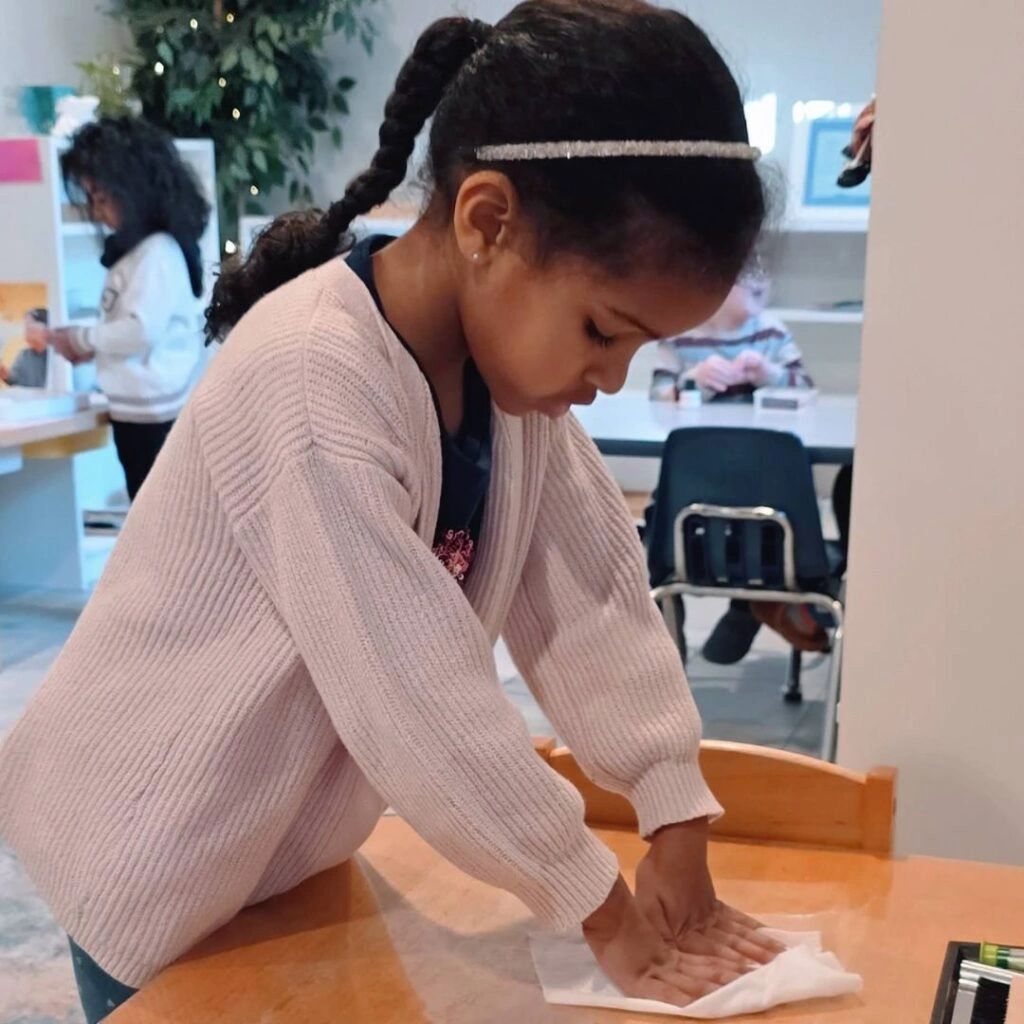
- Cleaning
- Organizing
- Snack preparation
- Caring for classroom materials
These activities help children develop:
- Independence
- Concentration
- Responsibility
- Self-confidence
As they master tasks they feel a sense of accomplishment.
Learning Materials That Support Growth
Montessori learning materials teach one skill at a time.
This reduces frustration and allows for success through gradual progress.
As a result children develop confidence and focus while problem solving independently.
Montessori Preschool vs. Traditional Daycare
Parents may want to compare traditional Montessori preschools in Alexandria, VA to traditional daycares in Alexandria, VA.
While both provide care and supervision there are significant differences.
Montessori Preschool Program | Traditional Daycare |
Child-led learning | Adult-directed activities |
Focus on independence | Focus on supervision |
Hands on learning materials | Group based activities |
Mixed-age classrooms | Same-age groups |
Social-emotional development integrated throughout curriculum | Social skills often taught separately |
Individualized learning experiences | Standardized activities |
Families seeking a learning environment that supports both academic readiness and emotional growth often choose Montessori education.
Practical Ways Parents Can Support Social and Emotional Development at Home
Parents play a big role in a child’s development.
Here are a few simple ways you can do it every day.
Use Emotional Vocabulary
Help your child identify emotions by labeling feelings.
Examples:
- You look frustrated.
- You seem excited.
- Are you feeling disappointed?
Using emotional vocabulary improves emotional literacy as well asself-awareness.
Practice Empathetic Listening
When your child expresses feelings, listen without solving the problem right away.
Instead try:
- “That sounds tough”
- “I understand why you feel that way.”
This validates emotions and builds trust.
Create Opportunities for Responsibility
Simple household tasks help children develop confidence and independence.
Examples:
- Setting the table
- Feeding pets
- Putting away toys
Encourage Problem Solving
Instead of giving immediate answers, ask questions that help children think through problems independently.
Model Positive Relationships
Children learn from adults.
Demonstrating respectful communication and conflict resolution teaches social skills.
Signs of Healthy Social and Emotional Development
While every child develops at their own pace, many preschoolers demonstrate healthy social emotional growth by:
- Expressing emotions appropriately
- Making friends
- Following routines
- Taking turns
- Showing empathy
- Managing small frustrations
- Participating in group activities
- Demonstrating growing independence
If parents have concerns about development, speaking with teachers or child development professionals can provide valuable guidance and resources.
Language Exposure and Cognitive Development
Many Montessori programs introduce children to additional languages at an early age.
Some Montessori schools provide daily exposure to languages such as Spanish and French.
Research suggests that early language exposure can support:
- Cognitive flexibility
- Memory development
- Communication skills
- Cultural awareness
These experiences help children become confident communicators and lifelong learners.
Frequently Asked Questions
What is social and emotional development in early childhood?
Social and emotional development is a child’s ability to understand and manage emotions, build positive relationships, communicate effectively and make responsible decisions. These skills help children develop self confidence, empathy, resilience and to succeed in school and everyday life.
At what age does social and emotional development start?
Social and emotional development starts at birth. From infancy children start forming attachments, expressing emotions and responding to caregivers. As they grow they learn important social skills such as sharing, cooperating, communicating and managing feelings through interactions with family members, teachers and peers.
How do Montessori classrooms support social and emotional development?
Montessori classrooms support social and emotional development by encouraging independence, respect, cooperation and self confidence. Children learn in a calm, structured environment where they practice problem solving, conflict resolution, responsibility and positive social interactions with classmates of different ages.
How does a Montessori preschool program support emotional development?
A Montessori preschool program supports emotional development through hands-on learning, Practical Life activities and respectful teacher guidance. Children learn to identify emotions, manage challenges, build confidence and develop empathy while working independently and collaboratively within the classroom community.
Why is social and emotional development important for preschoolers?
Social and emotional development helps preschoolers make friends, manage emotions, solve problems and develop confidence. Strong social emotional skills are linked to better academic performance, healthier relationships, improved mental well being and greater success in life.
Is Montessori preschool better than daycare for social development?
A Montessori preschool program is designed to support social and emotional development through guided learning experiences, mixed-age classrooms and opportunities for independence. While many daycare programs provide valuable social interaction, Montessori education intentionally integrates social skills, emotional growth and character development into daily learning activities.
What should I look for in a daycare Alexandria VA or preschool program?
When choosing a daycare in Alexandria, VA or a preschool program, look for experienced teachers, a nurturing classroom environment, age-appropriate learning activities, strong communication with families and a curriculum that supports both academic readiness and social-emotional development. A good program should make children feel safe, confident and engaged in learning.
Building a Strong Foundation for the Future
Social and emotional development is the foundation of a child’s development. Before children can read, write or do math they are learning to understand emotions, build relationships, solve problems and navigate the world.
A good Montessori preschool program gives children the tools to develop self-confidence, empathy, independence and resilience. With supportive teachers, well prepared materials and meaningful social interactions children gain skills that will serve them well in school and life.
If you’re looking for a Montessori preschool in Alexandria, VA families choose, now’s the time to find out more about how Montessori education can support your child’s social and emotional development.
The best way to understand the Montessori difference is to see it for yourself. Book a tour today at Montesshare and see how our Montessori preschool program helps children build independence, self-confidence and the social and emotional skills for life.


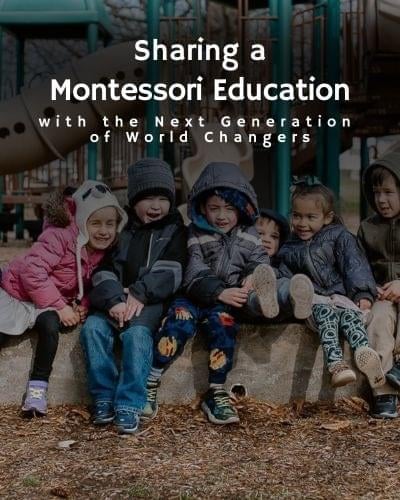
Sharing a Montessori education with the next generation of world changers since 2017.
Quick Links
Contact Us
Address : 5908 Bond Ct, Alexandria, VA 22315, United States