How Play Supports Social and Emotional Development in Early Childhood
Every parent wants their child to grow into a confident, kind, and resilient individual. While learning letters, numbers, and colors is important, one of the greatest predictors of long-term success is social and emotional development. These skills help children communicate, manage emotions, solve problems, and build healthy relationships throughout their lives.
One of the most effective ways young children develop these abilities isn’t through worksheets or formal lessons. It happens naturally through play. Whether children are building towers together, pretending to run a grocery store, or creating imaginative stories, play teaches valuable life skills that cannot be learned from memorization alone.
If you’re looking for a Montessori preschool near me or exploring a Spanish-enriched preschool, understanding how play supports development can help you choose an environment that nurtures your child’s whole growth.
Why Social and Emotional Development Matters
Social and emotional development refers to a child’s ability to:
- Understand and express emotions
- Build positive relationships
- Develop empathy
- Communicate effectively
- Solve conflicts respectfully
- Build confidence
- Practice self-control
These skills begin developing during infancy and continue growing throughout early childhood.
Research from the Center on the Developing Child at Harvard University shows that strong social and emotional skills are closely connected with academic achievement, mental well-being, and lifelong success.
How Play Supports Social and Emotional Development
Play creates everyday opportunities for children to build confidence, develop friendships, express emotions, and solve problems through meaningful experiences.
Instead of simply being entertained, children learn how to navigate everyday situations while interacting with others.
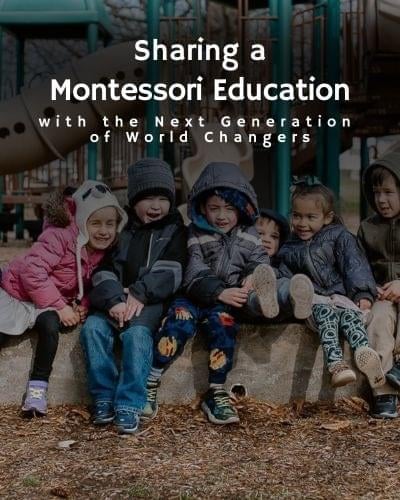
Learning to Share and Cooperate
Group play encourages children to:
- Take turns
- Listen to others
- Work toward shared goals
- Respect different ideas
Although disagreements happen, these moments become valuable learning opportunities when guided by caring teachers.
Building Emotional Awareness
During pretend play, children experience different emotions in safe situations.
For example, pretending to be a doctor, teacher, or firefighter helps children understand how others feel while developing empathy and compassion.
Over time, they become better at recognizing and managing their own emotions.
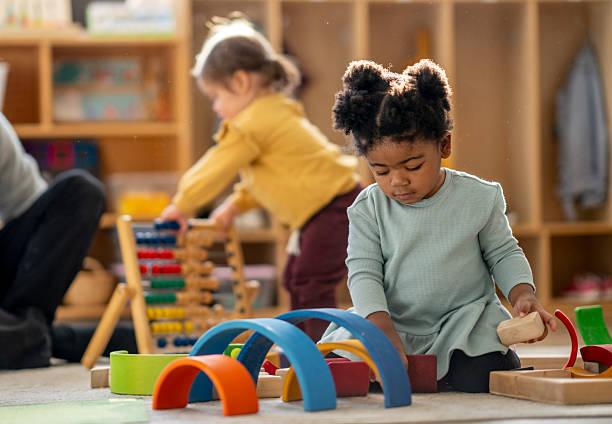
Developing Problem Solving Skills
Every play activity presents small challenges.
Children may need to:
- Build a taller block tower
- Decide classroom roles
- Solve a puzzle together
- Create rules for a game
These experiences strengthen critical thinking while encouraging patience and persistence.
Growing Independence
Children gain confidence when they’re trusted to make age-appropriate choices.
A quality Montessori classroom encourages children to:
- Select learning materials
- Complete tasks independently
- Care for their environment
- Solve simple problems
These daily experiences strengthen both independence and self-esteem.
Ready to see these principles in action? Explore our Montessori program and discover how our nurturing environment supports children’s social and emotional development through purposeful learning, independence, and meaningful daily experiences.
Why Montessori Classrooms Make Play Meaningful
Some parents are surprised to learn that play is an important part of Montessori education.
In reality, Montessori education encourages purposeful exploration through carefully prepared learning environments.
Instead of passive entertainment, children engage in activities that support:
- Practical life skills
- Language development
- Social interaction
- Creative thinking
- Emotional regulation
- Independent decision-making
Families searching for the best Montessori preschool often appreciate how play is thoughtfully integrated into learning rather than separated from it.
How a Spanish-Enriched Preschool Supports Development
A Spanish-enriched preschool introduces children to Spanish through songs, stories, conversations, and everyday classroom experiences. Rather than full language immersion, children enjoy meaningful exposure to the language while building communication skills, cultural awareness, and confidence.
A Spanish-enriched preschool helps children:
- Communicate with confidence
- Appreciate different cultures
- Develop flexible thinking
- Build listening skills
- Build friendships while exploring a new language and culture
Children naturally develop familiarity with Spanish through songs, stories, conversations, and everyday classroom experiences, making language learning enjoyable and age-appropriate.
Signs Your Child Is Building Strong Social and Emotional Development
As your child grows, you may notice positive changes such as:
- Expressing feelings with words
- Making friends more easily
- Solving simple conflicts
- Sharing with others
- Showing empathy
- Becoming more independent
- Asking for help appropriately
Every child develops differently, so progress may happen gradually.
How Parents Can Encourage Social and Emotional Development at Home
You don’t need expensive toys or structured lessons.
Simple daily activities make a difference.
Try these ideas:
- Read stories together and discuss characters’ feelings.
- Encourage pretend play.
- Give your child simple responsibilities.
- Practice taking turns during games.
- Talk about emotions throughout the day.
- Celebrate effort instead of perfection.
These experiences reinforce what children learn in preschool.
Choosing the Right Preschool
When comparing programs, look beyond academics.
Ask questions such as:
- How do teachers help children resolve conflicts?
- Is there time for imaginative play?
- How are children encouraged to become independent?
- How are parents involved?
- What opportunities exist for collaboration?
If you’re searching for a Montessori preschool near me, visiting classrooms is one of the best ways to see these practices in action. As you tour different schools, pay attention to how teachers engage with children and how children communicate and collaborate with one another. Respectful interactions, growing independence, and joyful engagement are often signs of a nurturing learning environment where children feel safe, supported, and encouraged to learn.
Frequently Asked Questions
How does play support social and emotional development?
Play helps children build confidence, communicate effectively, solve problems, manage emotions, and develop healthy relationships through everyday interactions.
What makes the best Montessori preschool different?
The best Montessori preschool encourages child-led exploration, independence, purposeful learning, and respect for each child’s pace of development.
What are the benefits of a Spanish-enriched preschool?
A Spanish-enriched preschool introduces children to Spanish through age-appropriate activities such as music, stories, games, and daily interactions. This approach helps build cultural awareness, listening skills, and confidence while supporting overall language development.
How do I find a Montessori preschool near me?
Visit local schools, observe classrooms, ask about teacher training, and learn how the program supports children’s social and emotional development alongside academic growth.
Why is social and emotional development important before kindergarten?
Children with strong social and emotional skills often adapt more easily to new environments, build friendships, communicate effectively, and become confident learners.
Conclusion
Strong social and emotional development begins long before children enter elementary school, and play is one of the most powerful ways to build these essential life skills. Through meaningful play experiences, children learn to communicate, cooperate, solve problems, and develop the confidence they need to thrive both inside and outside the classroom.
If you’re looking for the best Montessori preschool or searching for a Montessori preschool near me, choose a program that values the whole child. A nurturing environment that combines purposeful play, independence, and caring relationships can help your child develop a lifelong love of learning.
Ready to see our classrooms in action? Schedule a tour to meet our teachers, explore our learning environment, and discover how Montesshare helps children thrive socially, emotionally, and academically. Begin your admissions journey today.