Finding the Right Montessori Preschool for Your Child in Alexandria, VA
Posted on September 21, 2026
Choosing a preschool is one of the first major educational decisions parents make for their children. The early years provide an important foundation for curiosity, independence, social skills, and a lifelong love of learning. For families exploring a Montessori preschool Alexandria VA, understanding what makes a program a good fit can make the decision easier.
Montessori education focuses on hands-on learning, independence, purposeful activities, and respect for each child’s individual development. However, not every Montessori program is exactly the same. Parents should look beyond the name and explore the classroom environment, teaching approach, daily routines, and values of each school.
What Is Montessori Preschool?
A Montessori preschool in Alexandria, VA is an early childhood educational setting based on the principles developed by Dr. Maria Montessori. Children learn through hands-on experiences and are encouraged to explore activities that match their developmental stage, helping them build independence, confidence, and a love for learning.
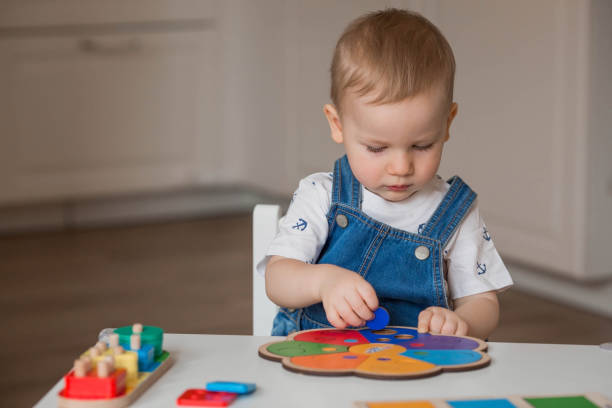
Rather than having every child complete the same activity at the same time, Montessori classrooms often provide a variety of carefully designed materials. Children can practice skills such as sorting, counting, language development, coordination, practical life activities, and problem-solving.
Teachers observe children and provide guidance while allowing them opportunities to work independently. This balance can help children develop confidence and become active participants in their own learning.
Why Consider Montessori Preschool?
One of the most recognizable features of Montessori education is its emphasis on independence. Children may be encouraged to pour water, organize materials, care for classroom plants, clean up after an activity, or choose appropriate work.
These simple experiences can help children understand responsibility while developing coordination and concentration.
A Montessori classroom can also encourage children to learn through discovery. Instead of simply receiving information from an adult, children have opportunities to interact with materials and discover concepts through practice.
For parents comparing options for Preschool Alexandria VA, this approach may be appealing if they want an environment that combines structured learning with opportunities for exploration.
What to Look for in a Montessori Preschool
Finding the right program requires more than searching online and choosing the first school that appears. Visiting classrooms and asking questions can give parents a much clearer picture of what the experience will be like.
1. A Prepared and Organized Classroom
A Montessori classroom should be thoughtfully organized so children can access age-appropriate materials. Shelves, tables, activity areas, and learning materials should generally be arranged with children’s independence in mind.
During a visit, observe whether children can move around comfortably and whether materials appear accessible and well maintained.
2. Respectful Teacher-Child Interactions
Teachers play an important role in creating a positive learning environment. Pay attention to how teachers speak to children and respond to their questions, emotions, and mistakes.
A supportive teacher can guide children without unnecessarily taking over their activities. Look for interactions that demonstrate patience, respect, encouragement, and clear communication.
3. Opportunities for Hands-On Learning
Montessori education is strongly associated with hands-on learning. Children should have opportunities to work with materials rather than spending most of their day listening to adults or completing worksheets.
Ask about practical life activities, sensory experiences, language materials, mathematics, cultural studies, art, movement, and outdoor activities.
4. A Balance Between Independence and Guidance
Independence does not mean children are left entirely on their own. Teachers observe children’s needs, introduce materials, demonstrate activities, and provide assistance when appropriate.
A strong program should give children freedom within clear boundaries. This can help children develop decision-making skills while understanding classroom expectations.
How Montessori Can Support Your Child’s Development
The preschool years involve rapid development across many areas. A thoughtfully designed Montessori environment can provide opportunities to support cognitive, physical, social, and emotional growth.
Children can practice fine motor skills through activities such as transferring objects, drawing, manipulating classroom materials, and other practical tasks.
Language activities can encourage vocabulary, communication, early literacy, and listening skills. Mathematics materials can introduce concepts such as quantity, counting, patterns, and relationships in concrete ways.
Children also learn from one another. Working near peers can provide opportunities to observe, communicate, cooperate, and practice social skills.
Considering the Transition to Montessori Kindergarten
Parents may also want to understand what happens after preschool. If your child is likely to continue into Montessori kindergarten, ask whether the preschool program provides a natural progression into the next stage of learning.
A consistent Montessori environment can help children become familiar with classroom routines, learning materials, expectations, and independent work habits before kindergarten.
When comparing schools, ask about age groupings and how children transition between classrooms. Understanding the school’s long-term educational pathway can help parents make a decision that works beyond the first preschool year.
How to Find the Best Montessori Preschool for Your Family
Searching for the Best Montessori preschool should begin with your family’s individual needs rather than a generic ranking.
Consider practical factors such as location, hours, tuition, calendar, transportation, meals, and before- or after-school care. Then consider educational factors such as the classroom environment, teacher experience, Montessori materials, daily schedule, outdoor opportunities, and communication with families.
It can also be helpful to visit more than one school. Take notes during each visit and compare what you observe.
Ask questions such as:
- How does the school introduce Montessori materials?
- How much freedom do children have to choose activities?
- How are classroom rules and boundaries established?
- How do teachers support children who need additional guidance?
- How are parents updated about their child’s progress?
- What does a typical day look like?
- How does the program prepare children for kindergarten?
The answers can help you determine whether a particular school aligns with your expectations.
Look Beyond the Classroom
A child’s preschool experience includes more than academic activities. Consider how the school supports physical movement, outdoor play, creative expression, social interaction, and emotional development.
Ask whether children have opportunities to spend time outdoors and engage in activities that allow them to move and explore.
Also consider how the school handles transitions, conflicts, and moments when children become frustrated. Young children are still learning how to communicate their feelings and interact with others. A supportive environment can help them gradually develop these skills.
Preparing Your Child for Montessori Preschool
Parents can make the transition easier by encouraging independence at home. Give your child opportunities to put away toys, choose between appropriate options, help with simple household tasks, dress independently when possible, and participate in daily routines.
Reading together, encouraging questions, and allowing children time to complete tasks without immediately stepping in can also support confidence.
Most importantly, talk about preschool positively. Let your child know that they will have opportunities to meet teachers, explore activities, make friends, and discover new things.
Frequently Asked Questions
What age is Montessori preschool for?
Montessori preschool programs can serve different age groups depending on the school. Many programs offer environments for toddlers and preschool-age children. Parents should check the specific age range, classroom structure, and admission requirements of each program.
How is Montessori preschool different from traditional preschool?
Montessori programs generally emphasize hands-on learning, independence, carefully prepared environments, and individual pacing. Traditional preschool programs can vary widely in their structure and teaching methods, so parents should compare specific schools rather than relying only on labels.
How do I choose a Montessori preschool in Alexandria, VA?
Visit prospective schools, observe classroom interactions, ask about the Montessori approach, and consider practical factors such as location, schedule, tuition, and communication. The best choice depends on your child’s needs and your family’s priorities.
Is Montessori a good preparation for kindergarten?
A Montessori preschool can help children develop independence, concentration, practical skills, early academic knowledge, and classroom routines. If you are considering a Montessori kindergarten, ask how the preschool curriculum connects to the next stage.
What should I look for during a school visit?
Pay attention to the classroom organization, condition of materials, teacher-child interactions, children’s engagement, cleanliness, safety, and overall atmosphere. Ask about the daily schedule and how teachers support individual children’s development.
Conclusion
Finding the right Montessori preschool Alexandria VA option is about discovering an environment where your child can feel secure, respected, curious, and capable. Take time to visit schools, observe classrooms, ask detailed questions, and consider both educational and practical factors.
For families exploring Montessori education in Alexandria, Montesshare can be a place to learn more about an approach that values children’s natural curiosity and encourages them to become confident, capable learners from an early age.